
Key Ayurvedic Principles
- Monsoon (Varsha Ritu) weakens Jatharagni due to atmospheric humidity and souring of ground waters.
- Autumn (Sharad Ritu) triggers a sudden surge in accumulated Pitta dosha, causing acidity and skin eruptions.
- Virechana Karma in Sharad Ritu is the gold standard classical detox for liver health.
- Simple dietary adjustments (boiled water, old grains, rock salt) safeguard gut integrity through seasonal transitions.
The Unique Climatic Profile of Central India (Malwa)
The Malwa region of Madhya Pradesh, including Indore, experiences unique geographical weather patterns: dry summers followed by intense, sudden monsoons, and then a hot, humid autumn transition. According to Charaka Samhita, transition periods (Ritu Sandhi) represent the most vulnerable windows for human immunity.
During Varsha Ritu (monsoon), the digestive fire (Agni) is naturally dampened by atmospheric dampness and heavy air. Eating heavy, unctuous foods during this season leads to rapid accumulation of Ama.
Sharad Ritu: The Natural Pitta Surge
As the monsoon clouds disperse and the intense autumn sun (Tikshna Surya) beats down in September and October, the Pitta Dosha that accumulated during the rains suddenly liquefies and flares up. This is why clinics in Indore see a dramatic rise in acid peptic disorders, migraine attacks, urticaria, and mouth ulcers during autumn.
Classical Ayurveda prescribes Tikta Ghrita (bitter medicated ghee) and therapeutic Virechana during Sharad Ritu to flush accumulated heat from the liver before it wreaks havoc in the blood.
“In autumn, when the sun warms the earth, Pitta accumulated during the rains becomes severely provoked. Virechana is the supreme remedy.” — Ashtanga Hridaya
Practical Daily Guidelines for Central Indian Residents
1. Drink only water that has been boiled and cooled (Ushnodaka) to relieve digestive burden.
2. Consume older grains (Purana Shali) rather than freshly harvested grains which are heavier to digest.
3. Incorporate digestive aids like ginger, coriander seed infusions, and cumin in daily cooking.
4. Avoid heavy curd (Dahi) at night, deep-fried snacks, and excessive fermented doughs during humid weather.
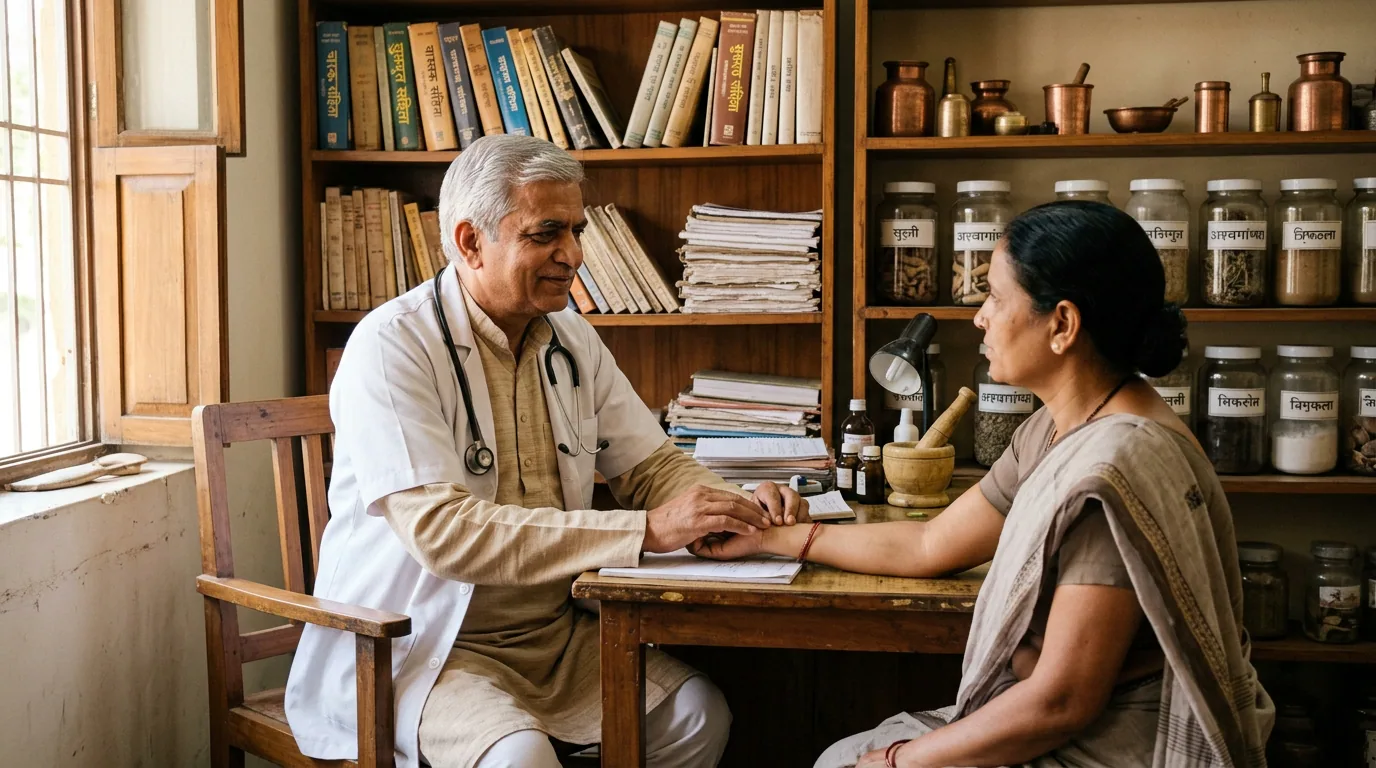
Dr. S.N. Patidar
Chief VaidyaBAMS, DAFE, MSc Yoga · Chief Vaidya & Clinical Director
Dr. S.N. Patidar leads Atharva Ayurved in Nipania, Indore, specializing in pulse diagnostics (Nadi Pariksha), non-surgical spine rehabilitation, autoimmune condition reversal, and classical Panchakarma therapies.